Making friends as an adult is a problem nobody prepares you for.
So here is a strategy no one seems to talk about.
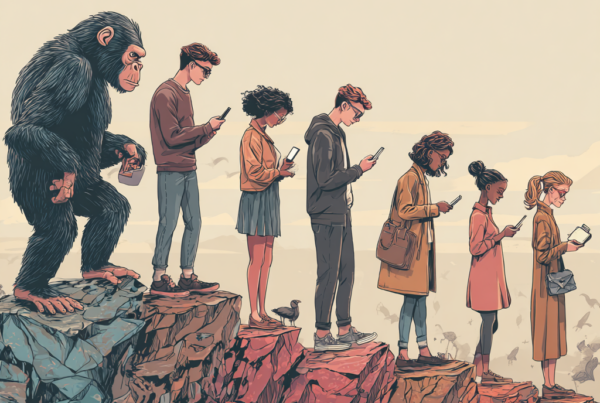
When you’re young, friendships happen automatically due to proximity. You’re stuck in classrooms, dorms, and entry-level jobs with the same people for years, and relationships (or trauma bonds) form through sheer accumulated exposure.
Then, boom, you hit your late twenties or thirties, and that infrastructure vanishes.
You work from home. You live in a neighborhood where you nod at people but but don’t even know their names. Your existing friends scatter, get married, have kids, develop schedules that don’t sync with yours.
Suddenly you’re supposed to build a social life through sheer willpower, and nobody’s given you the blueprint.
The advice is always the same: join a club, take a class, put yourself out there. As if There’s just loads of people sitting in clubs and classes waiting to be your best friend and all you need to do is show up.
That’s just not how friendships are formed.
The problem is adult social dynamics don’t generate friendships the way childhood dynamics did, and “putting yourself out there” is exhausting when you’re not sure where “there” even is. Also it’s Thursday, it’s been a long week, and I just want to wear my sweatpants and watch reruns of the Office and doom scroll, am I right?
So I am here to offer you a different approach. One that worked well for me and I didn’t even plan or try for it.
For the last ten years, I’ve ran a marketing company and we’ve always had a creative studio to work in, a place for meetings and to do photo/video work and whatever. To help offset the overhead I rent it to photographers, videographers, and other people hosting workshops and events. Its also a space where people host art shows and community gatherings.
And in the process of having this space, without even trying, I’ve built an incredibly connected social life.
I have made genuine friends. Not networking contacts, not acquaintances, but people I actually care about who actually care about me. I get invited to things. I’ve gone to weddings. I hear about what’s happening. I feel like I belong here in a way.
The secret wasn’t charisma or effort or forcing myself to attend mixers. The secret was simply having a space.
Space Changes Everything
Here’s an observation that seems obvious once you see it: everyone needs space, and almost no one has it.
We constantly read there’s a death of the 3rd space and there’s nowhere for people to go and hang out. And think about what happens when someone wants to host a birthday party, a workshop, a photo shoot, a small gathering, a pop-up event.
They need a place.
So unless they have a massive apartment or wealthy friends, they’re stuck scrambling and searching online through overpriced venues, texting around asking if anyone knows a spot, settling for something mediocre because the good options don’t exist at accessible price points.
When you have a space that is flexible and available, you become the answer to a question hundreds of people in your city are asking at any given moment.
But here’s the part that matters for our purposes: you don’t just become a venue. You become a person. A known quantity. Someone with a name and a face attached to a resource people need. And that changes everything about how social dynamics unfold around you.
You stop being someone looking for a network. You become someone a network forms around.
There’s a specific social position that opens up when you control a space, and it’s difficult to access any other way.
When someone hosts an event in your studio, you’re not a guest. You get introduced to everyone. Not as some random attendee, but as “the person who has this space.” You didn’t have to pitch yourself. You didn’t have to manufacture a reason to talk to anyone. The space did the positioning for you.
This keeps happening. Every rental, every event, every show, you meet the people involved.
The photographer and their client. The workshop facilitator and their attendees. The birthday girl and her fifty closest friends. You’re not crashing their gathering. You’re the reason the gathering was possible.
Over time, this compounds. You become known. Not famous but known. As in, “Oh, you should meet Thomas, he has a space you can rent.”
People will begin to recognize your name before they meet you. You’ll start going to other events in your city and someone waves you over because they’ve heard of you, rented from you, or attended something hosted in your studio.
This is the awkward truth nobody tells you about adult friendship: it’s easier when you’re already a someone. When you have a defined role in your community. When people have a reason to know who you are before the first conversation happens.
Having a space gives you that.
How This Actually Works
Let me break down the mechanics, because this isn’t abstract.
I rent the studio for half-day and full-day bookings. Photographers, videographers, people hosting workshops, small private events. We also host my our own events like art shows, open studios, community gatherings that I’m personally invested in.
But here is the key move: everyone who comes through the door goes on an email list.
This isn’t a marketing list in the aggressive, sales-funnel sense. It’s a community list. When something’s happening at the space, I email people. When I’m hosting a show, I email people. When someone I met through the space is doing something interesting elsewhere, I email people about that too.
Over time, that list becomes something valuable. Not in a commercial way, but socially.
It’s a direct line to a significant cross-section of your local community. It’s a way to stay in touch with people you’ve met without having to maintain hundreds of individual relationships through sheer effort.
This also gives you a reason to reach out. “Hey, we’re hosting a thing next week” is a much easier email to send than “Hey, remember me, want to hang out sometime?” The events create the excuse for ongoing contact, and ongoing contact is how acquaintances become friends.
And here’s what happens after you’ve been doing this for a while: you become a default answer to a common question.
Someone’s planning an event and doesn’t know where to start. “You should connect with Thomas, he has space.”
Every month I’ll have a handful of people reach out to me either looking for studio space, a place to host a workshop, or a gallery showing, or some sort of other event because they were referred to me by someone who knows I rent space.
You become a referral point. A hub. The kind of person other people mention when someone’s looking for connections.
This matters because social capital compounds.
Every introduction leads to more introductions. Every event you host puts you in contact with people who host other events, who know other people, who think of you when opportunities arise. You didn’t have to network. The network formed around you because you were solving a problem people had.
Meeting the Connectors
There’s a specific category of person you’ll encounter the most through this model: the people who organize social events in your city.
Event planners, party hosts, community organizers, the people who always seem to know what’s happening next weekend. These are the natural connectors of any social ecosystem, and they are perpetually looking for space for events.
When you become a go-to venue for them, you become part of their world.
They introduce you to everyone. They invite you to their other events. They think of you when opportunities arise that have nothing to do with your space but everything to do with being known as a helpful, connected person.
These relationships are gold. One good connector can introduce you to more people in a year than you’d meet in a decade of attending random mixers. And connectors are drawn to people with resources and not because they’re transactional, but because having resources makes you useful, and useful people are easy to include. (just a reality)
But the real magic isn’t any single event or rental. It’s the accumulation.
When you’ve been running a space for years, you’ve met hundreds of people. Not in the shallow, exchanged-business-cards sense but in the “they’ve been to your place, you’ve been to their events, you’ve seen each other repeatedly over time” sense.
Friendship requires repeated contact. That’s the part adult life makes so hard, you meet someone interesting, and then what? You exchange numbers, promise to get together, and life happens.
The contact never becomes repeated, and the potential friendship never develops.
The space solves this structurally. People come back. They rent again, attend again, bring friends who then rent and attend. You see the same faces repeatedly without having to manufacture reasons to see them. The infrastructure generates the repetition that friendship requires.
Ten years in, some Some people I care about the most started off as renters. We didn’t become friends because I’m particularly good at making friends. We became friends because we kept showing up to the same place, my place, and eventually the familiarity turned into something real.
A Note on the Economics
I should mention: yes, this type of strategy does take money to get going, and it does take work to operate, but this can also make you money too.
Rentals generate income. Events can generate income. You can structure it as a business with all the tax advantages that implies.
But that’s not the point. Even if you break even, or even if the space costs you a couple hundred dollars a month after everything shakes out, the social return makes it worthwhile.
One genuine friendship is worth more than any rental income. One opportunity that comes through a connection you made is worth more than a year of bookings.
Think of the money as a way to make the social strategy sustainable, not as the goal itself.
What You’re Actually Building
Let me be direct about what this is really about: Building community.
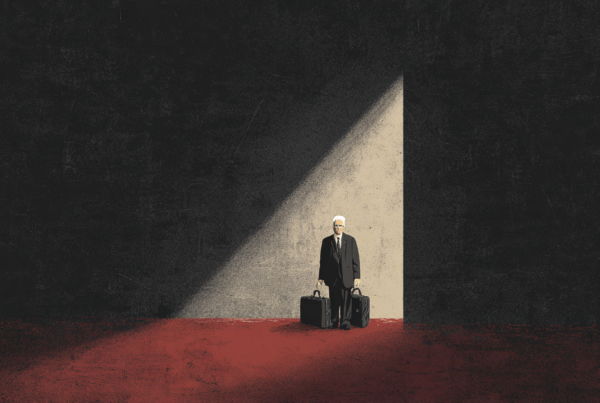
There’s a particular kind of loneliness that comes from living in a city where you don’t feel rooted. I’ve spent time solo living in San Diego and Nashville, so I know what it feels like to have no one you know in a city you are trying to make home.
It’s weird to live somewhere where you could disappear and it would take a while for anyone to notice or where your social life depends entirely on a handful of friendships that might scatter at any moment.
The space gives you roots. It makes you a fixture. Someone who’s been around, who’s part of the fabric, who belongs in a way that isn’t contingent on any single relationship or job.
After ten years of running this space, I feel like I live here and not just geographically, but socially. I know people. People know me. I have a place in the ecosystem.
That feeling is worth more than I can quantify. It’s the antidote to the alienation that modern urban life tends to produce. And it came not from trying to make friends, but from building something that made friendship a byproduct.
How to Start
If you’re considering this, here’s the practical version:
Find a space. Look for creative neighborhoods, mixed-use buildings, landlords who rent on flexible terms. You don’t need something fancy. You need something clean, flexible, and affordable enough that rentals can offset the cost.
Start renting it out. Take good photos, list it on the platforms that exist like Peerspace, Facebook Marketplace and Facebook Groups, send out emails to local agencies, and creatives.
Host your own events. Gallery shows, open studios, casual gatherings or whatever makes sense for your space and your interests. Give people a reason to come that you’re personally invested in.
Collect emails. Everyone who comes through the door gets invited onto a list. Then actually email them. Not constantly, but consistently.
Show up. When events happen that are public like a pop up market, be there. Be the host to the host. Make sure they are good and feel covered. Meet people. Remember names.
Do this for a year and see what happens. Do it for ten years and you won’t recognize your social life.
Quick note: If the startup costs are a little more than you want to do on your own, just take this article send it to a friend, or post it in a Facebook group and see if anyone wants to Co-op a space with you and split the overhead. (Contact me if you need some consulting)
The Real Unlock
Making friends as an adult isn’t about finding the right class, or putting yourself out there, or forcing yourself to be more social. It’s about positioning. It’s about building something that makes connection a natural consequence of your existence rather than something you have to manufacture through effort.
The space is the cheat code. It gives you a role, a reason to be known, a structure that generates the repeated contact friendship requires. It turns you from someone looking for community into someone community forms around.
Ten years ago, I rented a room because I needed a workspace. I ended up with a social life.
Get a room. Open the door. See who becomes your friend.